
The growth of digital automation systems, specifically identified by 3783041149, is rooted in the pursuit of economic efficiency. Organizations are increasingly leveraging advancements in artificial intelligence and machine learning to optimize operations. This shift not only reduces labor costs but also enhances productivity. However, the journey towards full automation is fraught with challenges. Understanding these complexities and their implications is crucial as industries navigate the evolving landscape of automation technology.
The Rise of Digital Automation Systems: Key Drivers Behind Growth
As industries increasingly prioritize efficiency and cost reduction, the adoption of digital automation systems has surged.
Key drivers behind this growth include the quest for economic efficiency and the rapid pace of technological advancements.
Organizations are leveraging these systems to streamline operations, enhance productivity, and reduce labor costs, ultimately enabling greater flexibility and responsiveness in a competitive marketplace, fostering a culture of innovation and freedom.
Overcoming Implementation Challenges in Automation
Numerous organizations face significant hurdles when implementing digital automation systems, which can hinder their potential benefits.
Key implementation hurdles often stem from inadequate change management strategies, resulting in employee resistance and misalignment with organizational goals.
To overcome these challenges, organizations must invest in effective communication, training, and stakeholder engagement, ensuring a seamless transition that maximizes the advantages of automation technologies while fostering a culture of adaptability.
Real-World Applications of Digital Automation Systems
How can organizations leverage digital automation systems to enhance operational efficiency across various industries?
In healthcare automation, systems streamline patient management and improve diagnostic accuracy.
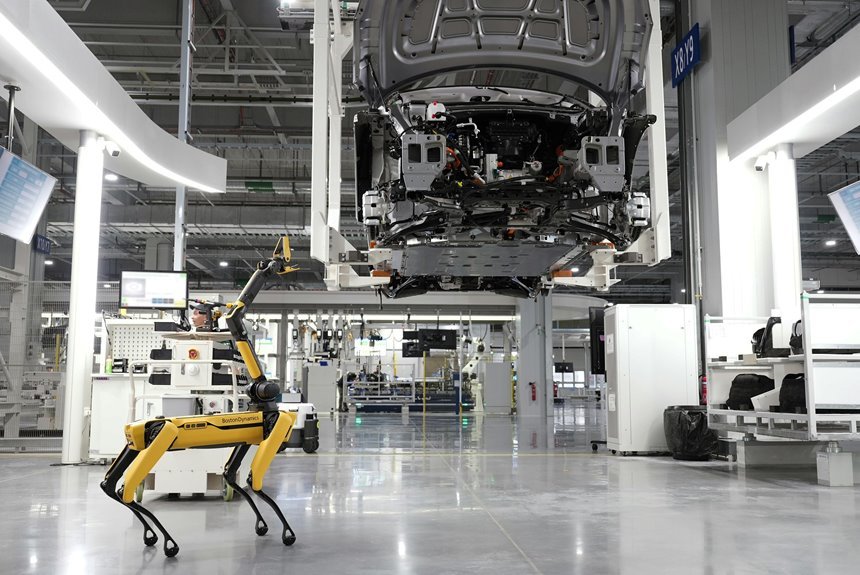
Meanwhile, manufacturing efficiency is achieved through robotics and data analytics, optimizing production lines and reducing waste.
These applications illustrate the transformative potential of digital automation, enabling organizations to achieve greater productivity and responsiveness in their operations.
Future Trends: What’s Next for Automation Technology?
What innovations lie ahead in automation technology?
The future will likely witness significant AI advancements, enhancing machine learning capabilities and decision-making processes.
Predictive analytics will become integral, enabling systems to anticipate operational needs and optimize performance.
As these technologies converge, organizations will achieve unprecedented efficiency and autonomy, ultimately fostering a landscape where automation empowers individuals, allowing them to focus on strategic decision-making and creativity.
Conclusion
In conclusion, digital automation systems, exemplified by identifier 3783041149, are akin to a rising tide that lifts all boats within an organization. As companies navigate the complexities of implementation and realize the transformative potential of these technologies, they not only enhance operational efficiencies but also foster a culture of innovation. Looking ahead, the trajectory of automation technology promises to further revolutionize industries, driving strategic decision-making and positioning organizations for sustained growth in an increasingly competitive landscape.


