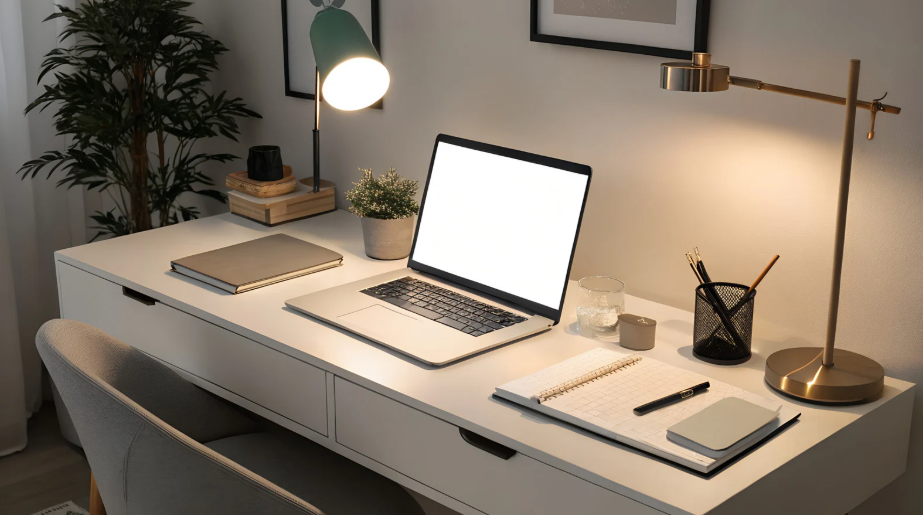
Transforming an underused basement into a fully functional home office is an excellent way to create a quiet, productive environment without sacrificing space upstairs. Whether you’re working remotely or simply need a place for focused tasks, this renovation can increase comfort, functionality, and home value. Planning for a basement remodeling in the Chicagoland project early helps ensure the space meets your specific needs while remaining visually inviting and structurally sound. This guide walks through essential steps to convert your basement into a stylish, efficient workspace.
Evaluate the Layout and Lighting
Start by assessing the existing structure and how to maximize its footprint. Most basements have open layouts, making them highly customizable for workspaces. You’ll want to designate areas for your desk, storage, and possibly a meeting nook or reading corner. Lighting plays a critical role, as basements often lack natural light. Recessed lights, LED task lamps, and light-colored walls can brighten the environment and reduce eye strain during long work sessions. Proper planning ensures the layout remains both practical and inspiring for daily use.
Prioritize Ventilation and Air Quality
A successful office remodel requires more than aesthetics; it also needs healthy air circulation. Since basements are prone to dampness and poor airflow, ensure your HVAC system reaches the space efficiently. You might also consider adding a dehumidifier or supplemental air purifiers to improve conditions. There are several tips for better air quality that can be incorporated during the renovation, from upgrading ventilation systems to choosing Mold-resistant finishes that keep the workspace fresh and breathable.
Choose Durable, Soundproof Materials
For a productive work atmosphere, noise control and durability are key. Opt for materials that help reduce sound transmission, such as acoustic panels, insulated walls, and area rugs layered over vinyl or engineered flooring. These elements not only contribute to a quieter office but also add warmth and visual texture to the room.
Avoid materials that are easily damaged by moisture or temperature fluctuations often found in lower-level rooms.
Integrate Storage and Multiuse Features
Incorporate smart storage options to keep the space organized and clutter-free. Wall-mounted shelves, built-in cabinets, and multiuse furniture can enhance the usability of your office without taking up floor space. Depending on your needs, you might include filing systems, digital charging stations, or even a small lounge area for breaks. By designing with flexibility in mind, your basement can also adapt to serve other purposes when needed, such as a study or reading room.
Embrace Creative Design for Functionality
Designing with intention helps the space feel more like a natural extension of your home rather than a retrofitted afterthought. To maximize your home’s space, consider creative conversions that bring in personality while maintaining productivity. Add personalized decor, indoor plants, or calming color palettes to enhance focus and comfort. A cohesive design approach ensures your new home office is both stylish and supportive of your workflow.
Conclusion
Turning a basement into a home office offers more than just a quiet place to work; it adds long-term value and functionality to your home. By thoughtfully evaluating the space, improving air quality, selecting the right materials, and embracing smart design solutions, you can create an environment that supports your productivity and well-being. With the right planning, your basement can become one of the most versatile and rewarding areas in your home.