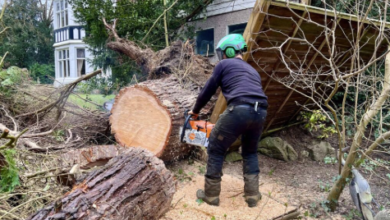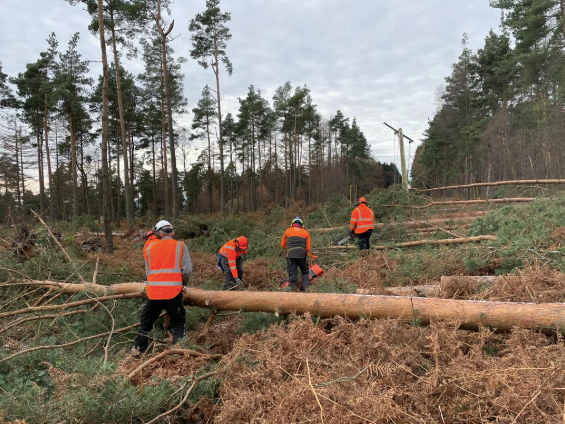
Extreme weather across the UK is becoming more frequent and more intense. High winds, prolonged rainfall, heavy snowfall, and sudden temperature changes place enormous strain on trees.
When trees fall, they rarely do so harmlessly. They land on roofs, damage vehicles, crush fences, and block access routes. In more serious situations, they can interfere with power lines or cause injury.
Here is how professional tree surgery protects your home when severe weather hits.
Schedule Regular Tree Inspections
Routine inspections form the foundation of responsible tree care. Many structural weaknesses are not obvious to the untrained eye. Internal decay, compromised root systems, fungal infections and weak branch unions can go unnoticed for years.
It is often only during high winds that these hidden issues become apparent — by which point the damage has already occurred.
A qualified tree surgeon can assess the overall structural integrity of a tree, checking for signs of decay, cavities within the trunk, or root plate instability.
These specialists also check excessive canopy density, as it may increase wind resistance. Plus, they can identify branches that are poorly attached or showing early signs of fracture.
Booking inspections ahead of the storm season allows you to address vulnerabilities before they escalate. Preventative action is always more cost-effective than emergency removal or structural repair after a storm.
Keeping a documented history of inspections and maintenance also demonstrates responsible property management, which can be helpful if insurance claims ever arise.
Prune Strategically to Reduce Wind Resistance
Overgrown or unbalanced trees are far more likely to suffer storm damage. Dense canopies act almost like sails during high winds, increasing pressure on the trunk and root system.
Dead or weakened branches can snap under stress, becoming hazardous projectiles that threaten roofs, windows and vehicles.
Strategic pruning reduces this risk by removing diseased or dead limbs and thinning the canopy to allow wind to pass through more easily.
Corrective pruning can also improve structural balance, redistributing weight so that the tree is better equipped to withstand strong gusts. Branches that overhang buildings, driveways or power lines can be shortened or removed to prevent direct impact during storms.
Pruning should be carried out correctly and at the appropriate time. Poor cutting techniques can weaken a tree or make it more susceptible to disease.
While light trimming may seem manageable, larger limbs and elevated work should always be handled by trained tree surgery experts to ensure both safety and long-term tree health.
Strengthen Tree Health to Improve Storm Resilience
Healthy trees are naturally more resilient. When a tree receives proper care, it develops stronger wood, deeper roots and a more balanced canopy structure. This improves its ability to flex in high winds rather than snap under pressure.
Professional tree surgery often includes soil management, targeted fertilisation and treatment for pests or diseases that could weaken structural integrity.
Root zones can also be protected from compaction or damage, which is especially important in urban or high-traffic gardens.
Investing in tree health is a long-term protective strategy. A thriving tree is significantly less likely to shed large limbs or become uprooted during extreme weather. Strengthening resilience now reduces the likelihood of expensive repairs later.
See also: Hidden Gems of Poland: Private Luxury Tours Beyond the Crowds
Remove Diseased or Structurally Unsafe Trees
In some cases, the safest course of action is removal. A tree that is severely decayed, leaning noticeably or suffering from root instability presents a clear hazard during storms. Waiting until it fails can result in substantial property damage and higher emergency removal costs.
Warning signs may include visible fungal growth at the base of the trunk, large vertical cracks, hollow sections within the trunk, or soil lifting around the root system.
A tree that develops a sudden lean should also be assessed immediately, as this may indicate root failure.
Professional evaluation ensures that removal decisions are based on safety rather than assumptions.
When a tree is beyond recovery, controlled removal protects your home, neighbouring properties and anyone nearby. Addressing the issue early is typically safer, more efficient and far less disruptive than responding after storm damage has already occurred.
Plan Tree Placement With Long-Term Safety in Mind
Preventative protection starts long before a tree matures. Poor placement is one of the most common causes of property-related tree damage. A small sapling planted too close to a house can become a structural concern decades later.
When selecting and positioning trees, it is important to consider their mature height and canopy spread, as well as the potential reach of their root systems.
Trees planted too close to buildings may interfere with foundations, gutters or roofing during high winds. Proximity to underground utilities or boundary lines can also create future complications.
It’s important to choose appropriate species for your space and allow adequate distance from structures. This strategic move ensures that your trees enhance the landscape without posing unnecessary risk as they grow.
As a rule, thoughtful planning significantly reduces the likelihood of costly corrective work in the future.
Improve Soil Stability With Mulching and Aeration
Strong root systems anchor trees securely during storms, and soil condition plays a crucial role in root development.
Compacted or poorly drained soil can limit oxygen flow and restrict healthy root growth, making trees more vulnerable to uprooting.
Applying a layer of mulch around the base of a tree helps retain moisture, regulate soil temperature, and gradually improve soil structure.
A depth of two to four inches is typically sufficient, provided the mulch is kept clear of direct contact with the trunk to prevent rot. Over time, this creates a more stable environment for root development.
Aerating compacted soil further enhances oxygen and water penetration. Similarly, an improved soil structure supports deeper and stronger root systems, increasing the tree’s stability during high winds.
Healthy soil is often overlooked, yet it plays a direct role in preventing storm-related tree failure.
Conclusion
Tree surgery is far more than routine garden maintenance. It is a preventative investment that protects your property from the risks associated with extreme weather.
If your trees have not been professionally assessed in recent years, now is the time to act. Proactive care today can prevent costly repairs tomorrow and ensure your property remains secure, resilient, and well-maintained for years to come.