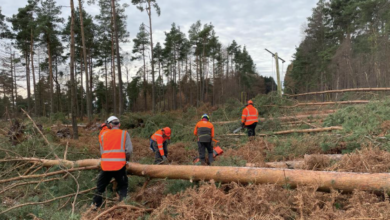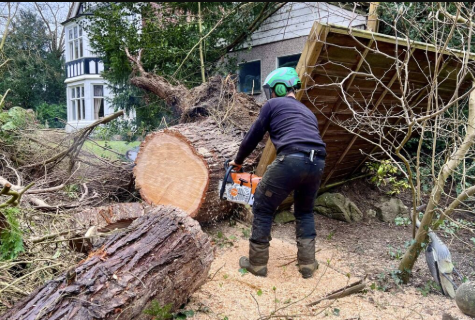
When a storm barrels across the UK, whether it is tearing through the South West or sweeping over the Pennines, it rarely leaves gardens untouched. Fences lean, sheds rattle, and trees often take the brunt of the force.
In the days that follow, it is easy to focus on clearing debris and getting life back to normal. Yet your trees deserve careful attention. Professional tree surgery after a storm is not a luxury. It is an essential step in protecting your property.
Here’s why arranging tree surgery after a UK storm is one of the smartest decisions you can make.
Storm-Damaged Trees Pose Safety Risks to Your Property
After high winds and heavy rain, damaged trees can become unpredictable. A branch that looks stable from the ground may be cracked and ready to fall. A tree that appears upright may have suffered root damage, leaving it unstable beneath the surface.
In suburban streets across Britain, from Manchester semis to Surrey cul-de-sacs, falling limbs can easily strike cars, conservatories, garden offices, or even passers-by.
When you walk through your garden after a storm, you might notice hanging branches, split trunks, or a tree leaning at an unusual angle. These are not cosmetic issues. They are potential hazards.
Professional tree surgeons are trained to assess structural stability and identify risks that are not obvious to the untrained eye. By acting quickly, you significantly reduce the chance of injury or costly property damage.
Hidden Structural Damage Needs Expert Assessment
Not all storm damage is dramatic. Sometimes, the real problem lies beneath the bark or below ground.
Strong gusts can partially tear roots without fully uprooting the tree. Heavy rain can waterlog soil, loosening the tree’s anchor points. Hairline cracks in the trunk may develop into serious structural weaknesses over time.
In the UK’s varied climate, where one week can bring torrential rain and the next sharp frost, these hidden weaknesses can escalate quickly. What seems like minor storm stress in November could become a complete failure in January when the next weather front rolls in.
A qualified tree surgeon knows how to inspect for internal decay, root plate movement, and stress fractures. By addressing these issues early, you protect not only the tree but everything around it.
Leaving hidden damage unchecked often leads to more extensive and more expensive work later on.
Prompt Tree Surgery Prevents Decay from Taking Hold
Storms leave wounds. Broken branches and torn bark expose the inner tissues of a tree, creating entry points for fungi, bacteria, and pests. In the damp conditions common across much of the UK, these pathogens can spread rapidly.
If damaged limbs are not properly pruned, the tree may struggle to seal its wounds. Ragged breaks are especially problematic because they do not heal cleanly. Over time, decay can travel into the main stem, weakening the entire structure.
Professional tree surgery ensures that damaged branches are removed correctly, using precise cuts that promote healthy recovery.
This encourages the tree to compartmentalise the wound and reduces the likelihood of long-term infection. By intervening early, you give your tree the best possible chance to recover and thrive.
See also: Smart Business Systems 57055877 Growth
Professional Intervention Helps Preserve Protected Trees
Across the UK, many properties feature mature trees that have stood for decades. In some cases, they may even be subject to Tree Preservation Orders or located within conservation areas.
These trees are not easily replaced, and their loss can significantly alter the character and value of your home.
After a storm, you might be tempted to remove a damaged tree entirely. However, in many situations, careful crown reduction, bracing, or selective pruning can restore stability and preserve the tree safely.
Tree surgery in London is readily available. An experienced tree surgeon will advise you on what is both legally compliant and arboriculturally sound.
By seeking professional guidance, you avoid unnecessary removals and ensure that any required work meets local council regulations. This protects you from potential fines and helps maintain the long-term beauty of your outdoor space.
Timely Tree Surgery Reduces the Risk of Future Storm Damage
One storm often exposes underlying weaknesses that have developed over several years. Dense canopies, crossing branches, and unbalanced growth patterns make trees more vulnerable to high winds.
If these structural issues are not addressed, the next bout of bad weather may cause even greater damage.
Post-storm tree surgery is not just reactive. It is preventative. By thinning overcrowded crowns, removing deadwood, and correcting imbalances, a tree surgeon can improve airflow and reduce wind resistance. This makes your trees more resilient when the next named storm hits the UK.
If you live in a region frequently affected by Atlantic weather systems, investing in professional tree care now can spare you considerable stress in the future. Stronger, well-maintained trees are far less likely to fail under pressure.
Tree Surgeons Work Safely and Legally
Tree work after a storm is inherently risky. Working at height, handling heavy limbs, and using specialist equipment require training and experience. Attempting to deal with large, damaged trees yourself can quickly lead to serious accidents.
When choosing a contractor, it is wise to look for professionals approved by the Arboricultural Association. This accreditation signals that the company meets recognised standards of safety and competence.
Reputable tree surgeons also carry substantial public liability insurance, offering you peace of mind should anything unexpected occur.
By hiring a qualified professional, you ensure that the job is done safely, efficiently, and in line with UK regulations. You also avoid placing yourself, your family, or your neighbours at unnecessary risk.
Tree Surgery Protects the Value of Your Property
Well-maintained trees enhance kerb appeal and contribute to the overall value of your home. Conversely, visibly damaged or poorly managed trees can make a property look neglected and raise concerns for prospective buyers.
After a storm, prompt and professional tree care restores order to your garden. Clean lines replace splintered branches, and balanced canopies replace awkward gaps. The result is not only a safer space but also one that feels calm and cared for.
If you take pride in your home, addressing storm damage properly sends a clear message that the property is responsibly maintained. Over time, that attention to detail pays dividends.
Conclusion
UK storms are a fact of life. From sudden summer squalls to powerful winter systems sweeping in from the Atlantic, severe weather will continue to test the strength of your trees. What matters most is how you respond once the skies clear.
Rather than leaving things to chance, take a careful look around your garden after the next bout of rough weather. If anything appears unstable, cracked, or out of place, arrange a professional assessment right away.
Acting promptly gives your trees the best chance of recovery and ensures your outdoor space remains safe, resilient, and ready for whatever the British weather throws at it next.