Certain parts of your home are more prone to mold than others. Moisture, poor airflow, and lack of natural light make basements, attics, and crawl spaces ideal environments for mold growth. If you’re searching for mold removal in Stone Mountain, GA, it’s crucial to understand how to prevent mold in these vulnerable zones before it spreads or causes structural damage.
Why These Areas Are So Susceptible
Basements, attics, and crawl spaces often have one thing in common: excess moisture. In basements, water intrusion from foundation cracks or poor drainage can create persistent dampness. Attics may develop condensation due to poor ventilation or roof leaks. Crawl spaces, sitting low to the ground, often trap moisture from soil or humid air.
Understanding why mold is growing in your home, especially in these zones, starts with identifying these contributing factors. Once moisture is present and ventilation is limited, mold spores settle and quickly multiply, often out of sight until it becomes a larger issue.
See also: Mastering the Art of the Perfect Real Estate Listing
Key Prevention Tips for Each Area
Basements:
- Improve drainage around the foundation to prevent water seepage.
- Use dehumidifiers to control humidity levels.
- Seal cracks in floors or walls to prevent moisture entry.
- Elevate stored items off the ground to avoid moisture absorption.
Attics:
- Check for roof leaks and repair damaged shingles or flashing immediately.
- Install proper ventilation, such as soffit and ridge vents, to prevent condensation.
- Avoid over-insulation, which can trap moisture near wood framing.
- Inspect ductwork for condensation or air leaks.
Crawl Spaces:
- Install a vapor barrier to prevent ground moisture from rising.
- Ensure air circulation with venting or an encapsulation system.
- Check plumbing lines for leaks that may go unnoticed.
- Use a crawl space dehumidifier if humidity is consistently high.
By implementing these measures, homeowners can reduce the risk of mold before it becomes a costly problem.
Recognizing Common Trouble Spots
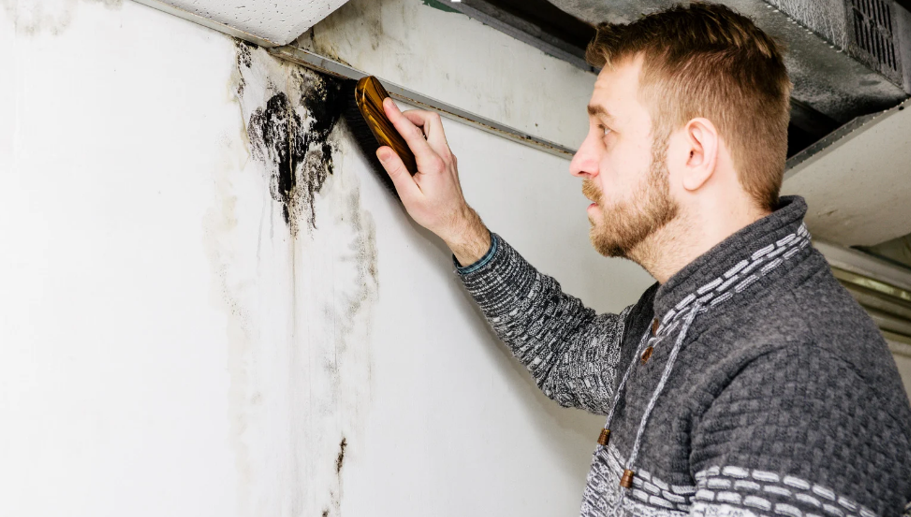
Even with preventive efforts, some hidden areas still develop mold. Identifying common areas in your home where mold hides, like behind insulation, under floorboards, and near HVAC systems, is critical. These spots often go unchecked for months, allowing mold colonies to grow and spread to other areas of the house.
Routine inspections of basements, attics, and crawl spaces, especially after storms or during seasonal humidity shifts, can make a significant difference in early detection.
When to Seek Professional Help
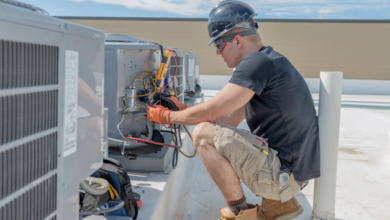
If you notice musty odors, visible mold patches, or unexplained allergies, it’s time to contact professionals. Experts use advanced tools like moisture meters and thermal imaging to detect hidden moisture and mold. Their treatment plans include removal of contaminated materials, application of antimicrobial agents, and recommendations for long-term moisture control.
Attempting to treat mold in high-risk areas without proper equipment can lead to airborne contamination or recurring outbreaks.
Conclusion
Preventing mold in basements, attics, and crawl spaces begins with understanding why these spaces are vulnerable and taking proactive steps to control moisture and improve ventilation. By addressing problem areas early, you not only avoid costly repairs but also create a healthier indoor environment. Consistent monitoring, proper sealing, and knowing when to call a professional will keep mold from gaining a foothold in your home’s most at-risk areas.